




A bloodshot eye looks dramatic – it can look like something out of a horror movie, and you might think: Is there something wrong with my eye? Have I burst a blood vessel? But don't worry... in most cases, it's completely harmless. Read on to find out what it is, why it happens, and when you should react.
What is a bloodshot eye?
A bloodshot eye, or in medical terms: 'subconjunctival hemorrhage', occurs when a small blood vessel in the eye's conjunctiva ruptures, and blood seeps out under the transparent layer that covers the white of the eye.
It often looks worse than it is, because even a small amount of blood spreads quickly across the white surface, making the eye appear completely red or blotchy. But it's usually harmless and clears up on its own after a couple of weeks.
Why do you get bloodshot eyes?
There can be many reasons why you get a bloodshot eye – and in many cases, it happens without you even noticing. Spot the typical causes:
• You cough, sneeze, or laugh intensely.
• You rub your eyes.
• You have been physically active (running, weightlifting, yoga, etc.).
• You have suffered a blow to the eye.
• Straining, e.g., during heavy lifting and constipation.
• You are taking blood-thinning medication.
• You have high blood pressure.
• You have used contact lenses incorrectly or have dry eyes.
• You have an eye disease (rare, but possible).
Will you feel pain with a bloodshot eye?
No. A bloodshot eye usually doesn't hurt, and it doesn't affect your vision. You might feel a slight irritation – perhaps a mild stinging, itching, or the feeling of 'something in my eye', but otherwise, it's often painless. If you experience pain, decreased vision, or feel unwell at the same time, you should contact your doctor or ophthalmologist.
How long does a bloodshot eye last?
A bloodshot eye usually clears up on its own within 7-14 days. Just like a bruise changes color, the blood in the eye will gradually turn yellowish-brown before disappearing completely. You cannot make it go away faster, but you can help the process by:
• Letting your eye rest and recover.
• Avoiding rubbing your eye.
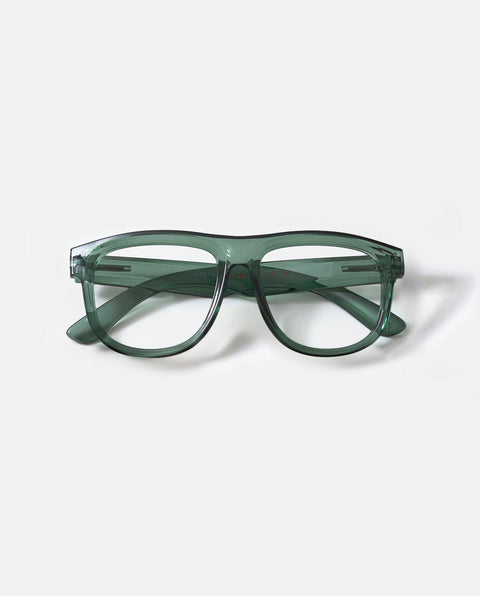
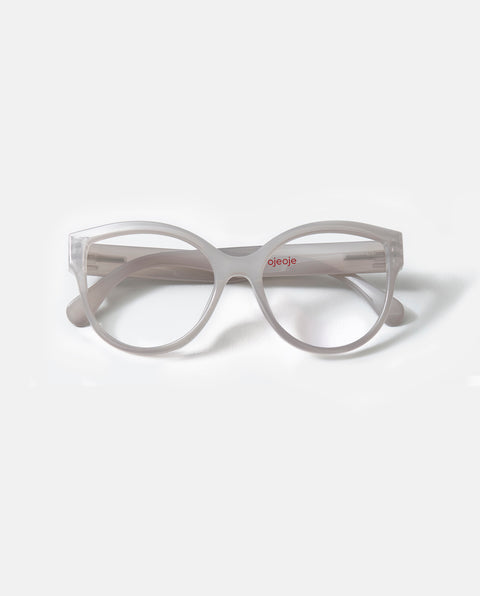
• Protecting your eyes from dust and harmful UVA, UVB, and UVC radiation with our sunglasses.
• Using artificial tears if your eye feels dry or irritated.
Is a bloodshot eye dangerous?
No, for most people, bloodshot eyes are completely harmless and require no treatment. BUT if it happens very often, or you also experience pain, headache, blurred vision, bleeding in both eyes, or have conditions such as diabetes or high blood pressure, you should contact your doctor. In rare cases, a bloodshot eye can be a sign of:
• High blood pressure.
• Blood clotting problems.
• Blood diseases or infections.
• Eye injuries.
What can you do to avoid bloodshot eyes?
You cannot completely avoid bloodshot eyes, but there are things you can do to reduce the risk:
• Use artificial tears if you tend to have dry eyes.
• Avoid rubbing your eyes.
• Be careful with contact lenses.
• Get your blood pressure checked.
• Protect your eyes from dust with non-prescription glasses or reading glasses.
• Avoid very strenuous activity if you have previously experienced bloodshot eyes.
What should you do if you get bloodshot eyes again?
If you repeatedly get bloodshot eyes, you should get it checked out. It could be a sign of something – for example, a problem with your blood's ability to clot, high blood pressure, or perhaps just a lifestyle factor you can easily change.
Can you use eye drops for bloodshot eyes?
Yes and no. Artificial tears (moisturizing eye drops) can relieve discomfort and reduce the feeling of irritation, but they do not remove the blood itself. There are no drops that will make a bloodshot eye disappear faster. So it's mostly about being patient and letting the eye rest and recover.
Should you go to the doctor for a bloodshot eye?
No, but you should consider it if…
… you experience pain.
… you have decreased vision.
… the bleeding is very large.
… you get it repeatedly.
… you are taking blood-thinning medication.
… you have other symptoms, e.g., headache, nausea, dizziness.
It's better to contact your doctor once too often than once too seldom – especially if you are in doubt.
Can you treat bloodshot eyes?
As mentioned earlier, bloodshot eyes rarely require treatment, but if it's due to something more serious, your doctor will:
• Check your blood pressure.
• Examine your eye with a lamp.
• Perhaps take a blood test.
– treatment is usually not about the eye itself, but about finding and treating the cause.
What should you remember about a bloodshot eye?
If you suddenly get a red eye and wonder what it could be, then think:
• A bloodshot eye looks severe, but is often harmless.
• It doesn't hurt and doesn't affect vision.
• It clears up on its own in 1-2 weeks.
• If you have other symptoms, contact your doctor.
Are you worried about a bloodshot eye?
It's completely natural to be a little worried when something changes in your eye. After all, it's one of the most sensitive parts of the body, and vision is precious. But remember: A bloodshot eye is like a small bruise, and it will disappear again. So the next time you look in the mirror with a red eye and think 'What's happening?', you now know that it's most likely completely harmless. And with a little patience and perhaps some drops, the redness in your eye will disappear again.
Short facts about bloodshot eyes (subconjunctival hemorrhage):
What is it?
• A bloodshot eye occurs when small blood vessels on the eye's surface (conjunctiva) rupture and blood seeps out between the white of the eye (sclera) and the clear membrane (conjunctiva).
• It creates a sharply defined red patch in the white of the eye, which often looks dramatic but is rarely dangerous.
Why does it happen?
The small blood vessels can rupture due to:
• Coughing, sneezing, or vomiting.
• Straining, e.g., during heavy lifting and constipation.
• A blow to the eye.
• Rubbing the eye.
• High blood pressure.
• Blood-thinning medication.
• Bleeding disorders.
– often, no cause is found.
Symptoms:
• Sharply defined red spot in the white of the eye.
• No pain – perhaps slight irritation or pressure.
• Normal vision – no visual impairment.
• No itching or swelling (unlike conjunctivitis).
How long does it last?
• Usually disappears on its own within 1-2 weeks.
• The blood changes color like a bruise – from red to brownish or yellowish.
When should you see a doctor?
• If you often get bloodshot eyes for no reason.
• If it is associated with pain, visual disturbances, or swelling.
• If you are taking blood-thinning medication.
Treatment:
• No treatment is necessary in most cases.
• Artificial tears can be used if the eye feels dry or irritated.
• Let the eye rest and recover.
• Protect your eyes from dust with glasses.
• Avoid rubbing the eye.
Is it dangerous?
No, in most cases, it is completely harmless, but it looks more serious than it is.