



Do your eyes feel sensitive to light? Light sensitivity can be both irritating and painful, but fortunately, there are many ways to alleviate the symptoms, so you can get your sparkle back. Whether you have sensitive eyes due to migraines, screen work, or other factors, there are solutions that can help you lead a more comfortable everyday life.
Are you light-sensitive?
Light sensitivity, also known as photosensitivity, makes the eyes extra vulnerable to light from various sources such as sunlight, indoor lighting, or screen light. Symptoms range from mild irritation to pain that can affect your daily life. It's normal to experience some degree of light sensitivity, for example, when you leave a cinema or turn on the light in a dark hallway – but if you experience discomfort or pain from indoor lighting or screen work, your eyes might be extra light-sensitive.
What causes light sensitivity?
The most common causes of light-sensitive eyes are migraines, eye inflammation, and dry eyes – but cataracts and macular degeneration can also make you more sensitive to light. Keep an eye out for the 7 most common causes of light sensitivity:
Migraine: If you suffer from migraines, you will often experience light sensitivity as one of the primary symptoms, both before and during a migraine attack. Migraine attacks often cause hypersensitivity to both light and sound, which can make it difficult to stay in bright light and brightly lit rooms.
Eye inflammation: Light sensitivity can also occur in connection with eye inflammation, where the eye is very tender and therefore extra sensitive to bright light.
Dry eyes: If you have dry eyes, the eye's surface lacks the necessary moisture, making it more vulnerable to light irritation.
Cataracts: If you have cataracts, the most bothersome symptom can be sensitivity to light, especially bright sunlight or light from car headlights at night.
Macular degeneration: Calcification of the retina affecting the central part of the visual field can also make the eye sensitive to light.
Eye injuries: Eye injuries or previous eye surgeries can also lead to increased sensitivity to light.
Medication: If you take medication, it can also cause light sensitivity. Some antibiotics, antidepressants, and medications for treating acne or psoriasis can have light sensitivity as a side effect, making your eyes more susceptible to light.
What symptoms does light sensitivity cause?
Symptoms of light sensitivity vary depending on the cause, but most people experience an overreaction to light with sharp pain, a burning sensation in the eye, or blurred vision. For some, it can be difficult to keep their eyes open in bright environments, and irritation and dryness can occur, making it worse.
People with severe light sensitivity often have trouble staying in brightly lit rooms and may find it difficult to work in front of computer screens. If you experience this, it may be a good idea to adjust your daily life and surroundings to avoid worsening the symptoms.
What can you do about light sensitivity?
Your treatment and prevention of light sensitivity largely depend on the cause. If photosensitivity is due to dry eyes, you can use eye drops, as they help restore the moisture balance in the eyes and thus reduce sensitivity to light. Additionally, using sunglasses and prescription sunglasses with 100% UV protection can also help reduce discomfort when you are outdoors.
Psst! We also have prescription sunglasses that help the eyes focus, while the colored lenses help with light exposure.
If you experience light sensitivity due to migraines, it is a good idea to seek treatment for migraines to reduce your light sensitivity. Migraine treatments can include medication, diet, and lifestyle changes. Pay extra attention to eating regularly and getting enough sleep. Avoid stress – especially prolonged stress.
If you work a lot in front of a screen, it is advisable to reduce the screen's brightness or use 'Night Shift', which reduces the blue light known to strain the eyes. It can also be a good idea to provide extra lighting around your workstation to reduce eye strain. Remember to also take regular breaks from the screen. The Danish Health Authority recommends that we use the 20-20-20 rule when working in front of a computer:
- Every 20 minutes, look away from the screen
- Look at something at least 6 meters away (20 feet)
- … and hold your gaze for about 20 seconds
Can reading glasses help with light sensitivity?
Reading glasses with the correct strength can also help with your light sensitivity by reducing the strain your eyes are exposed to, for example, during prolonged concentration in front of a screen. Prescription glasses make it easier for your eyes to focus on the screen and reduce your need to squint, which reduces the tension and discomfort that can arise from light sensitivity.
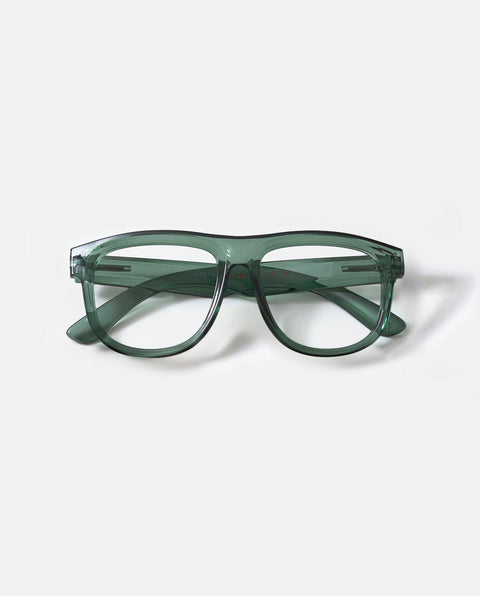
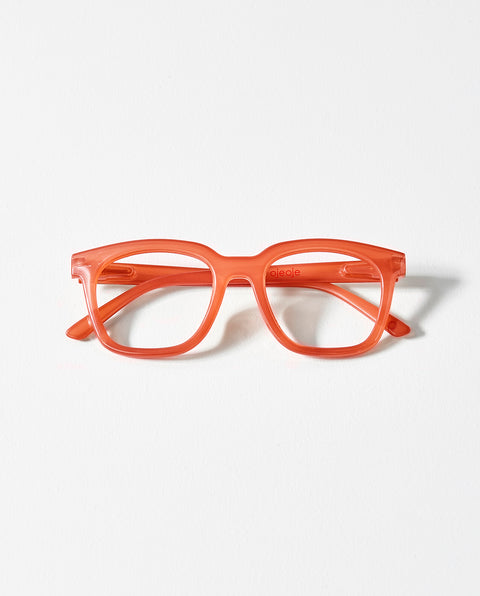
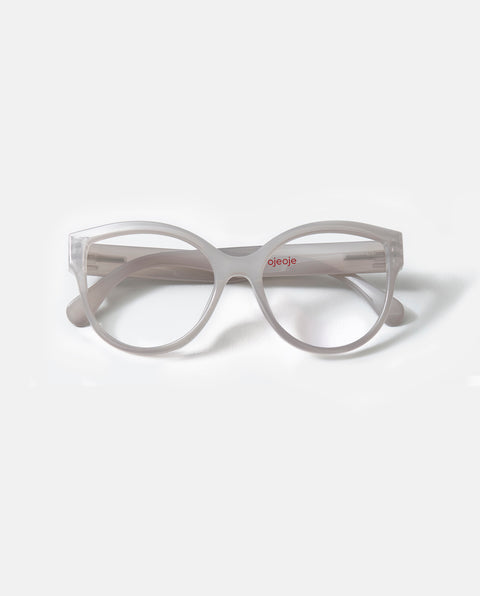
At OjeOje, we have many different models of reading glasses, whether you are looking for round reading glasses or oversized reading glasses.
If your eyes are extra sensitive to light, reading glasses with colored lenses – also called prescription sunglasses – can be a good way to alleviate light-sensitive eyes, as it reduces the overload that light can create during reading.
When should you seek help?
If you suffer from severe light sensitivity that significantly affects your quality of life, we recommend that you consult an ophthalmologist who can conduct a thorough assessment of the causes of your photosensitivity and suggest more targeted treatments, including medication or special lenses that can reduce sensitivity.