




Do you wear glasses, but still don't feel entirely comfortable? Perhaps it's not your eyes, but the strength of the glasses themselves that isn't correct. If you wear glasses with the wrong prescription – or don't wear glasses at all, even if you need them, you may experience a range of physical symptoms. Read on to learn more about the typical symptoms of an incorrect glasses prescription, why they occur, how to find out if the strength is wrong, and how to get it fixed.
What symptoms can you experience with an incorrect glasses prescription?
If your glasses don't have the correct prescription, it can lead to a range of physical symptoms. This is because your eyes try to compensate for the lack of correction, which can result in headaches, fatigue, dizziness, or blurred vision. Symptoms typically appear during the day and can worsen with prolonged use of the glasses. Many people don't immediately realize that their glasses might be the cause – so it's important to know the symptoms so you can get the prescription adjusted and avoid persistent discomfort. Symptoms can vary greatly, but look out for the typical ones:
Headache: One of the most common signs. If your eyes have to overcompensate, it can lead to tension headaches – especially in the temples or behind the eyes.
Blurred vision: Even with glasses on, vision can appear blurry, especially when switching between near and far distances.
Dizziness: Incorrect prescription, especially with astigmatism (astigmatism), can give you a feeling of imbalance, similar to motion sickness.
Nausea: Discomfort can arise along with dizziness and strained eyes. This is because your brain tries to compensate for the incorrect visual input, which can overload both vision and balance.
Tired eyes: If you feel your eyes 'sinking' or feeling heavy after a few hours when reading or working on a screen, it could be a sign of incorrect correction.
Difficulty focusing: It can be difficult to maintain focus, especially when reading, working on a screen, or driving. Your eyes strain, which drains energy from your brain. This not only affects your concentration but can also lead to fatigue and eye discomfort.
Eye irritation: An incorrect glasses prescription can lead to dry, red, or itchy eyes. This happens when your eyes are overloaded and blink less, especially during screen use.
Double vision: Incorrectly adjusted lenses can cause focusing problems – especially if your eyes don't work well together.
Problems with depth perception: An incorrect prescription can interfere with your ability to judge distance, which is dangerous, especially in traffic.
Discomfort when changing focus: If it takes time to focus sharply when looking from, for example, a book to the TV, it could be a sign of an incorrect prescription.
Symptoms typically appear gradually, and you might get used to them, which is not good for your eyesight. If you experience any of the mentioned symptoms, it's time to have your vision checked by an optician or ophthalmologist. A vision test can quickly determine if your glasses prescription is incorrect.
Why can glasses have the wrong prescription – even when they are new?
It can be frustrating when your brand new glasses don't feel right, especially when they're made from a fresh eye exam. But it's actually more common than you think, and it can be due to several factors:
Errors in the eye exam: Perhaps you moved your eyes during the test, or had a stressful day which could affect the results of the eye exam.
Adjustment period: Your eyes and brain often need a little extra time to adjust to a new prescription – especially if there are changes in strength, progressive lenses, or cylinder (astigmatism).
Wrong type of lens: Sometimes you get eyeglass lenses that match your eye exam but not your everyday life, e.g., single vision, multifocal, computer glasses, or progressive lenses must suit your needs.
Incorrectly centered lenses: If the spectacle lenses are not correctly positioned in front of your pupils, e.g., due to incorrect pupillary distance – the prescription can feel wrong and cause discomfort.
Daily vision needs: Even with the correct prescription, the glasses can feel wrong if they don't suit your daily needs, e.g., screen work, reading, or driving.
– therefore, it is important that you don't just blindly trust that the glasses are correct – it is your eyes that decide, and that you should listen to.
How do you know if it's the prescription and not something else?
It can be difficult to know for sure whether your discomfort is due to your glasses or other factors such as stress, lack of sleep, or dehydration. But here are some typical signs that the prescription in your glasses might be the problem:
• Your symptoms disappear when you don't wear your glasses for a while.
• The discomfort gets worse the longer you wear your glasses.
• You find it difficult to adjust to new glasses – even after 2-4 weeks.
– if it feels like your eyes are constantly trying to adapt, it's often a sign that the prescription isn't right or that the lenses aren't correctly positioned in relation to your pupils.
When should you contact your optician?
It's perfectly normal for your eyes to take some time to adjust to new glasses – especially if the prescription has changed, or you have a new type of lens. But if you still experience discomfort after 2-4 weeks, you should contact your optician. Signs that something might be wrong include persistent headaches, blurred vision, dizziness, dry or irritated eyes. Many also notice difficulty focusing, especially when reading, working in front of a screen, or driving. If your vision feels sharper without glasses than with, or if you have a feeling that the glasses are not correct, it's important to have your vision checked again.
What can you do yourself before going to the optician?
Before contacting your optician, you can try some simple exercises at home. This can help you understand what the problem is and make it easier to explain your experiences when you talk to the optician. Try these 4 small home tests:
1. For example, you can switch between your old and new glasses and notice if there's a clear difference. If it feels significantly better with the old glasses, it might indicate that the new prescription isn't suitable.
2. If you can temporarily do without your glasses, try going without them and notice if your symptoms subside. The same applies if you only wear your glasses for short periods at a time – some people experience that the discomfort worsens during the day.
3. Also, check if your glasses fit correctly. A crooked fit at the nose or ears can mean that the lenses don't align correctly with your pupils, and this can cause both blurred vision and headaches.
4. Finally, put on your glasses and cover one eye at a time, and notice if the discomfort comes more from one lens than the other.
How is an eye exam performed if you suspect an incorrect prescription?
If you suspect an incorrect prescription, the optician will start by listening to your symptoms to get a sense of the problem. The eye exam begins with an automatic measurement, followed by a manual eye test where you look through different lenses. Both your distance and near vision are assessed, as well as any astigmatism. The optician also checks whether the spectacle lenses are correctly fitted and whether the centers match your pupils. Finally, your current glasses are compared with the new measurement. If there is a difference or if your discomfort is due to something else such as fit or lens type, the optician will review your options and find a solution.
What happens if you continue to wear glasses with the wrong prescription?
If you continue to wear glasses with the wrong prescription, it can strain your eyes unnecessarily and lead to persistent problems such as headaches, tired eyes, difficulty concentrating, and blurred vision. Your eyes will constantly try to compensate for the incorrect prescription. In some cases, an incorrect prescription can also affect eye coordination and make it harder to see clearly, especially when reading and doing screen work. Therefore, it is important to have your glasses checked if they don't feel right.
What is the difference between adjustment and incorrect prescription?
It can be difficult to distinguish between normal adjustment and glasses with an incorrect prescription – especially when you've just got new lenses. But there are some clear signs you can look out for:
Adjustment:
• Glasses feel better day by day.
• You experience mild discomfort such as fatigue or pressure behind the eyes.
• Discomfort typically disappears after 7-10 days.
Incorrect prescription:
• Glasses feel wrong all the time.
• You may experience dizziness, nausea, or even vomiting.
• No improvement – discomfort is persistent, even after several days of use.
How to avoid an incorrect prescription in the future?
To avoid an incorrect prescription in your glasses in the future, it is important that you tell your optician about even the slightest discomfort, even if you think it will disappear over time. Here are some good tips so you don't end up in the same situation again:
• Choose an optician you trust – preferably one that has been recommended to you and who takes their time with you.
• Prepare before the eye test, and make sure to be rested and calm.
• Explain your vision needs: e.g., screen work, reading, driving, or sports.
• Test the glasses in the store, and don't go home until they feel right.
• Follow up with the optician after a few days if you experience discomfort or symptoms.
• Listen to your eyes – you know them best.
How to find the best glasses?
Glasses are not just about numbers and prescriptions – they are also about comfort, function, and quality of life. If you feel that something is wrong, it's not just 'something you have to get used to'. Be critical and curious, ask questions, and don't be afraid to go back to the optician. It's better to get it adjusted now than to walk around with tension and headaches for several months. Your eyes work for you every single day – they deserve the best.
Maybe you 'just' need reading glasses?
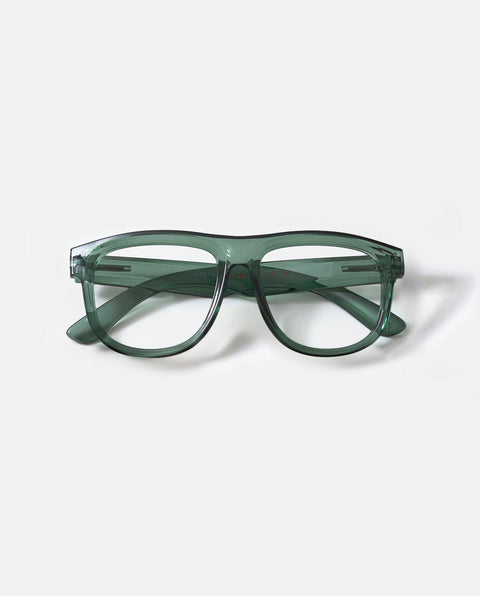
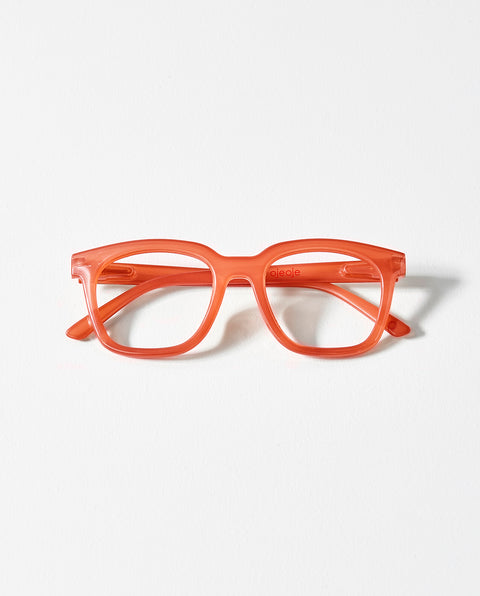
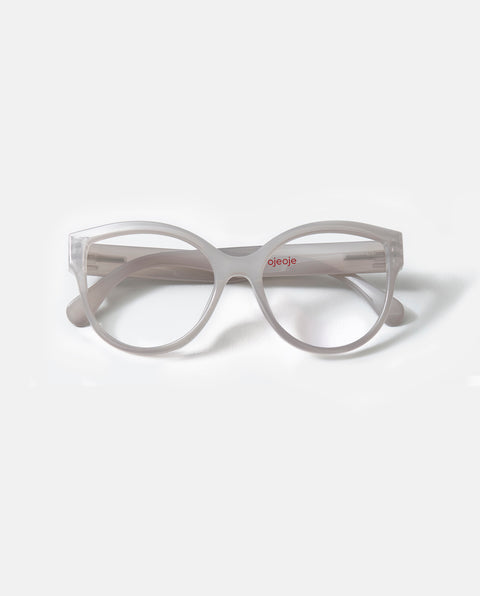
If you know that you have the same plus prescription in both eyes, you can explore OjeOje's collection of recycled reading glasses and sunglasses with prescription – a cool and sustainable choice. If you are unsure about your prescription, you can use our age-divided prescription guide as a helpful reference:
35-40 years: +0.5
40-45 years: +1.0
45-50 years: +1.5
50-55 years: +2.0
55-60 years: +2.5
60-65 years: +3.0
– if you are unsure between two prescriptions, we recommend choosing the lower of the two. It can feel uncomfortable to increase the prescription too quickly. We also recommend that you have your vision checked by an optician at least once a year.
FAQ
What symptoms can indicate an incorrect prescription in glasses?
Typical symptoms include headaches, blurred vision, dizziness, nausea, tired eyes, and difficulty focusing. Many also experience dry or irritated eyes and discomfort when switching focus between near and far distances.
Why do incorrect glasses prescriptions cause headaches and fatigue?
When the prescription is incorrect, the eyes constantly try to compensate. This overloads the eye muscles and brain, often leading to tension headaches, tired eyes, and reduced concentration – especially after prolonged use.
Can new glasses have the wrong prescription?
Yes, even brand new glasses can feel wrong. This can be due to errors in the eye exam, wrong lens type, incorrect centering of the lenses, or the glasses not suiting your daily vision needs, such as screen work or driving.
How do I know if the prescription in my glasses is the problem?
If your symptoms worsen the longer you wear your glasses, if the discomfort disappears without glasses, or if you don't adjust to them after 2-4 weeks, it is often a sign of an incorrect prescription or improper fitting.
When should I contact my optician?
If you still experience headaches, blurred vision, dizziness, or eye irritation after 2–4 weeks of use, you should contact your optician. Glasses should feel better, not worse, and persistent discomfort is a clear signal that something needs to be adjusted.
Visit our Showroom
To ensure you choose the right shape and color, you are always welcome at our Showroom – located in the heart of Kgs. Lyngby, in the designer's own backyard. Here you will receive personal and professional guidance, and you will have the opportunity to try our entire collection of recycled glasses. If you find the right pair, you can take them home immediately. We look forward to seeing you!
OjeOje Showroom
Chr. Winthers Vej 12A
2800 Kgs. Lyngby
+45 60 58 00 96
Contact@ojeoje.com
Opening hours:
Tues: 3 PM - 5 PM
Thurs: 3 PM - 5 PM
(Closed in weeks 7, 29-31, 42 and 52, as well as public holidays)