



Do you know about snow blindness, also called arc eye? It is a burn of the cornea from UV radiation – typically from strong sunlight in snow or ice-covered areas or glare from water. Symptoms can include pain, redness, light sensitivity, and watery eyes. Although it may look like an eye infection, it is caused by damage to the outermost cells of the cornea and not by bacteria. Read on for good advice on how to avoid snow blindness – and what to do if you are affected.
What is snow blindness?
Snow blindness (photokeratitis) is when your eyes get sunburned. It might sound a bit strange, but that's exactly what happens: the cornea of the eye gets burned by the sun's UV rays. You probably know the feeling of sunburned skin – snow blindness is the same, just on the eyes. You won't notice it immediately, but after a few hours, it can start to sting, hurt, and blur your vision. Fortunately, snow blindness is a non-permanent condition, but it can feel very uncomfortable while it lasts.
Why do you get snow blindness?
You experience snow blindness when your eyes are exposed to too much UV light without protection. When you are surrounded by snow, the sun's rays are reflected into your eyes – in fact, snow can reflect up to 90% of UV rays. Be aware of situations where you are extra exposed:
• When you are on snow or ice.
• When you hike in the mountains.
• When you are sailing or fishing.
• When you forget sunglasses – even on cloudy days.
Psst… even on grey days, you can get snow blindness because UV rays penetrate the clouds. The snow acts almost like a mirror, reflecting light directly into your eyes.
Who can get snow blindness?
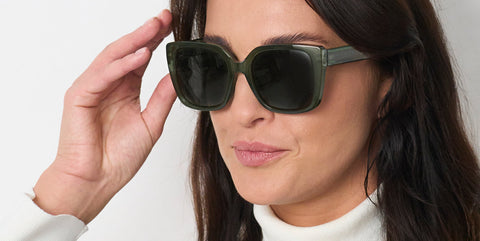
You can get snow blindness if you are in snow or ice-covered environments or on the water without proper eye protection, as strong UV radiation reflected from snow and water surfaces can cause a painful burn to the cornea – a condition that is both uncomfortable and can cause temporary vision impairment. If you wear OjeOje sunglasses which have 100% UV protection, you can avoid getting snow blindness.
Psst… children are also at risk because they play outside without sunglasses. So it's not just something that affects those who ski a lot – you can easily get snow blindness on a perfectly normal day by the water or on a skiing holiday.
What does snow blindness feel like?
When you get snow blindness, the symptoms don't appear immediately. You will typically only notice them after 6-12 hours. Many describe it as a stinging and burning sensation in the eyes. The symptoms typically last for about 24 hours, but they can feel very uncomfortable while they last. The most common symptoms are:
• Your eyes sting, hurt, and become red.
• You start to have watery eyes.
• You feel like you have sand or grit in your eyes.
• Your vision becomes blurred.
• Your eyelids swell up.
• You become very light-sensitive.
• In severe cases, you can hardly see anything for a few hours.
How long does snow blindness last?
The good news is that snow blindness is usually short-lived. Your eyes heal quickly because the cornea heals on its own. Most people find that the pain starts to subside after 24 hours and that the symptoms are completely gone within 48 hours. In the meantime, however, you may find it difficult to open your eyes, read, or move normally, because the light hurts and your eyes feel sore and swollen. Although it does not cause permanent damage, you should take it seriously, because repeated exposure of your eyes to UV radiation without protection increases the risk of eye damage later in life.
What can you do if you get snow blindness?
There is no cure, but there are several things you can do to relieve the symptoms if you get snow blindness:
• Go indoors or away from the light – preferably into a dark room.
• Close your eyes and rest them as much as possible.
• Use cold compresses on your eyes to reduce the pain.
• Take painkillers such as Panodil or Ipren if you need them.
• Use eye drops from the pharmacy to relieve dry eyes.
• Do not rub your eyes, even if it itches – as your eyes need rest.
• Sleep as much as possible – sleep helps your eyes heal.
Psst… most people feel better after 24 hours, and you'll be back to normal after 1-2 days. If your eyes continue to hurt after 48 hours, or if you experience reduced vision or signs of an eye infection (conjunctivitis), you should contact your doctor or ophthalmologist.
How to avoid snow blindness?
You avoid snow blindness by protecting your eyes from UV radiation, especially in environments with water, snow, or ice, where the sun's rays are strongly reflected. Avoid snow blindness by following these 6 tips:
1. Use sunglasses with UV protection
Always make sure your sunglasses protect 100% against both UVA and UVB rays.
2. Wear sunglasses – even when it's cloudy
You can easily be fooled by the weather, but UV rays are present even on cloudy days, especially on the water and in the snow.
3. Wear a cap
A cap or hat with a brim can also help shield your eyes from direct light.
4. Be extra aware of glare from water
When you are on the water, glare can be intense, but also after rain, when the sun comes out, wet roads and surfaces can create blinding reflections.
5. Higher risk in the mountains
Every time you ascend 1000 meters in altitude, UV radiation increases by approx. 10-12%. So in the mountains, the risk of getting snow blindness is much higher.
6. Avoid strong sunlight
Avoid looking directly at water, snow, or ice in strong sunlight, as the intense UV reflection can damage the cornea – even if only for a short time.
What should you be aware of?
You can avoid snow blindness if you are aware of the typical misconceptions about snow blindness:
• It's not just sunny days that are dangerous – UV rays are also present behind clouds.
• You won't feel it until it's too late – symptoms only appear many hours after exposure.
• It doesn't only affect active people – anyone who spends time on water, snow, and ice without protection can be affected.
• You don't need to buy super expensive sunglasses – sunglasses from OjeOje are perfect, as they have 100% UV protection.
When should you see a doctor?
Most cases resolve on their own, but you should contact your doctor if…
… symptoms do not disappear after 48 hours.
… you experience very severe pain or vision problems.
… you get an eye infection or fever.
… you experience dizziness or severe headaches.
The doctor will check your eyes for complications and may give you eye drops to relieve symptoms faster.
What are the long-term risks?
A single episode of snow blindness is not dangerous, but repeated UV radiation can over time increase the risk of cataracts, premature aging of the eyes, chronic light sensitivity, and in rare cases, eye cancer. Therefore, it is important to always protect your eyes – both in summer at the beach and in winter on a ski trip.
Checklist: What to remember about snow blindness?
When you are in snow, on the water, or in the mountains, remember:
• Use sunglasses or ski goggles with UV protection.
• Wear sunglasses – even when it's cloudy.
• Wear a cap with a brim.
• Be extra careful in the mountains, as the risk of snow blindness is much higher.
• Avoid strong sunlight – by not looking directly at water, snow, or ice.
• Listen to your body – especially your eyes.
FAQ
What is snow blindness (photokeratitis)?
Snow blindness is a burn of the eye's cornea caused by UV radiation. It is equivalent to getting sunburn on the eyes and typically occurs after spending time in snow, ice, or near water, where the sun's rays are strongly reflected.
How does snow blindness occur?
Snow blindness occurs when the eyes are exposed to too much UV light without protection. Snow can reflect up to 90% of the sun's UV rays, meaning the eyes receive UV light both directly from above and from below – especially in mountain areas, while skiing, or near water.
What symptoms does snow blindness cause?
Symptoms typically appear 6–12 hours after exposure and can include stinging and burning pain, red eyes, heavy tearing, blurred vision, swollen eyelids, a gritty sensation in the eyes, and pronounced light sensitivity.
How long does snow blindness last?
Snow blindness is usually temporary. Most people experience improvement within 24 hours, and symptoms are typically completely gone within 1–2 days. Although the condition does not cause lasting damage, it can be very painful while it lasts.
How can you prevent snow blindness?
You prevent snow blindness by always wearing sunglasses or ski goggles with 100% UV protection – even on cloudy days. In addition, a cap, hat, and extra attention to glare from snow, ice, and water can significantly reduce the risk.